Author name: leadssg

Respiratory Medicine

Respiratory Medicine

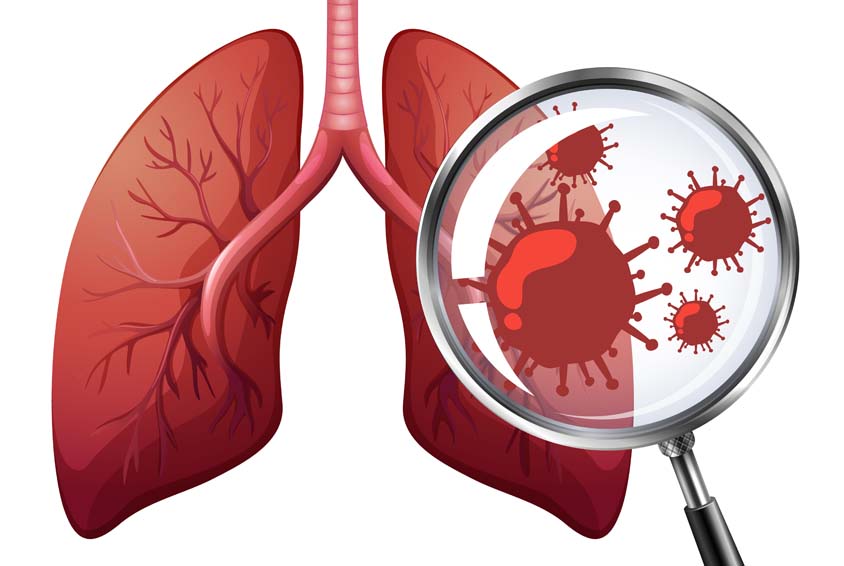
Respiratory medicine, or pulmonology, deals with diseases of the lungs and respiratory tract. Respiratory physicians diagnose and treat condi-tions affecting the respiratory system, which includes the nose, throat, larynx, windpipe, lungs and diaphragm. Chronic obstructive pulmonary disease (COPD) which can exacerbate into chronic bronchitis and chronic obstructive airways disease, asth-ma, sinusitis, seasonal allergies, pneumonia, tuberculosis , whooping cough, cystic fibrosis are respiratory diseases. Acute respiratory medicine; usually needed in the intensive care unit falls into this category.

Renal Medicine
Renal Medicine

Renal Medicine

Renal medicine, or nephrology, is concerned with the diagnosis and treatment of kidney dis-eases and the care of those requiring renal re-placement therapy like dialysis and kidney transplant patients. A Nephrologist specialises in kidney care, includ-ing the management of patients with acute kid-ney injury, advanced chronic kidney disease, kidney stones, kidney failure and kidney cancer.

Orthopedic Surgery - Tumour/Bone/Oncologic

Orthopedic Surgery – Tumour/Bone/Oncologic

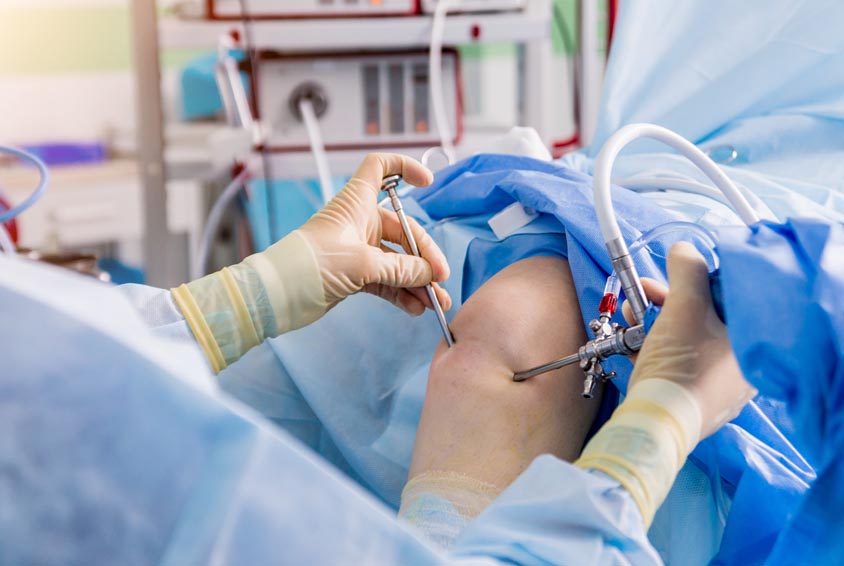
Orthopedic surgery involves the surgical treatment of problems that develop in the bones, muscles, joints, and ligaments of the human body. It addresses some problems of the nervous system, such as those that occur as a result of injury or degeneration of the spine, as well as those caused by accident, trauma or chronic conditions. Surgery can correct problems of the nervous system related to the spinal column, congenital defects and musculoskeletal issues caused by aging. Orthopedic surgeons provide comprehensive general and sub specialized orthopedics and trauma service and sports medicine. Arthroscopy, usually done as a day surgery is less invasive and is used by doctors to look at, diagnose, and treat problems inside a joint.

Orthopedic Surgery - Spine/Bone
Uncategorized

Orthopedic Surgery – Spine/Bone

Spine surgery is a specialty that involves the diagnosis and treatment of spinal injury or disorders. Spine disorders should be treated early for minimal disruption to quality of life. The spine is made up of 33 individual bones and 23 spinal discs and form the spinal column, providing the main support for the body. The spinal cord is a bundle of nerves in the spine connected to the brain. These nerves serve as electrical sensors for the body and are imperative for all the organs in the body to function. Spinal cord dysfunction can lead to organ failure, paralysis, and possibly death. Spine surgery is carried out to correct abnormalities and issues arising from degeneration, wear and tear and congenital conditions, manage deformities like scoliosis; a curvature of the spine and a common condition that affects more females than males, and treat slipped discs, bone spurs, infection, broken bones and tumors.

Orthopedic Surgery - Shoulder & Elbow

Orthopedic Surgery – Shoulder & Elbow

Orthopedic shoulder and elbow surgery involve the diagnosis and treatment of the shoulder and the elbow. Surgery is performed to treat and correct degeneration and disorders. Shoulder conditions which may need treatment includes AC joint shoulder separation, arthritis, broken collarbone, bursitis, frozen shoulder, impingement, rotator cuff tear, tendonitis Elbow pain, numbness, weak fingers, muscle wasting, or hand deformity may be the result of elbow nerve conditions such as cubital tunnel syndrome, or radial tunnel syndrome. Tennis elbow (lateral epicondylitis) is the most well known, a painful condition caused by inflammation of the tendons that joints the fore-arm muscle on the outside of the elbow.

Orthopedic Surgery - Tumour/Bone/Oncologic
Orthopedic Surgery

Orthopedic Surgery

Orthopedic surgery involves the surgical treatment of problems that develop in the bones, muscles, joints, and ligaments of the human body. It addresses some problems of the nervous system, such as those that occur as a result of injury or degeneration of the spine, as well as those caused by accident, trauma or chronic conditions. Surgery can correct problems of the nervous system related to the spinal column, congenital defects and musculoskeletal issues caused by aging. Orthopedic surgeons provide comprehensive general and sub specialized orthopedics and trauma service and sports medicine. Arthroscopy, usually done as a day surgery is less invasive and is used by doctors to look at, diagnose, and treat problems inside a joint.

Ophthalmology
Uncategorized

Ophthalmology

Ophthalmology is a surgical specialty that in-volves the diagnosis and treatment of eye dis-orders and diseases such as cataract, glaucoma, eye infections, floaters and flashers, retinal de-tachment, age-related macular degeneration (AMD) and diabetic retinopathy. It also involves treatment of conditions related to the anatomy and functions of the eye. An ophthalmologist diagnoses and treats all eye diseases, performs eye surgery and prescribes eye glasses and lenses to correct vision prob-lems; whilst an Optometrist examines eyes for both vision and health problems, and correct refractive errors by prescribing eyeglasses and contact lenses. Surgical procedures also include reconstructive surgery to repair trauma and abnormalities, tu-mor and cyst removal, chronic conditions like diabetic retinopathy and thyroid disorders, tear duct infections or blockages, repairing torn or detached retinas, and corneal transplants

Oncology (Radiation)

Oncology (Radiation)

Radiation oncology is a medical specialty that involves the controlled use of radiation beams to treat cancer either for cure, or to reduce pain and other symptoms caused by cancer. Radiation therapy or radiotherapy is the term used to describe actual treatment delivered by the radiation oncology team. An important tool for treating cancer, it is often used in conjunction with other therapies, such as chemotherapy. Radiation is targeted only to specific points in your body during treatment to minimize its side effects. It can be utilized during different stages of cancer treatment and may be paired in conjunction with another form of treatment. It may be used to alleviate symptoms in advanced, late-stage cancer too.

Oncology (Medical)
Uncategorized

Oncology (Medical)

Oncology is a branch of medicine that deals with the prevention, diagnosis and treatment of cancer. Treatment plans are dependent on detailed pathology reports and a battery of blood tests. Basic cancer treatment modalities include sur-gery, radiation and medical oncology. Medical Oncology is the non-surgical manage-ment of malignant disease using systemic ther-apies like chemotherapy, hormone therapy, targeted drugs and immunotherapy.

Nuclear Medicine
Nuclear Medicine

Nuclear Medicine

Nuclear Medicine is a medical specialty involving the application of radioactive substances in the diagnosis and treatment of disease. There are several options for this application in the treatment of inoperable cancers.

Scroll to Top